
Brain-Enhancing Music Playlists
When you slip on a pair of headphones, you’re not just passing the time; you’re inviting a neurological workout. The right Brain‑Enhancing Music Playlists amplify focus, prime motor coordination, and even support emotional regulation. For concussed athletes, overworked parents, or students burning the midnight oil, carefully engineered tracks can serve as a gentle nudge that shifts the brain from chaos to coherence.
How Music Tunes the Brain: A Quick Neurological Tour
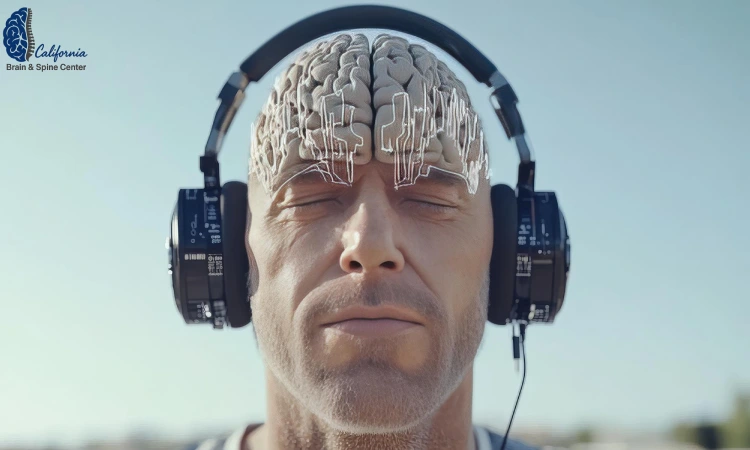
Let’s geek out—just for a moment. Vibrations travel through your ear canal, stimulate hair cells in the cochlea, and fire the auditory nerve. From there, impulses cascade into the thalamus (your relay station), then branch to the auditory cortex, motor planning centers, and limbic loops that govern mood. The upshot? Rhythm can entrain brain‑wave frequency, melody can tweak dopamine release, and harmony can dial down cortisol. Brain‑Enhancing Music Playlists leverage these multi‑system effects to transform passive listening into active neuro‑rehab.
Brain Fog Treatment — If curated playlists help but your focus still waxes and wanes, it’s a sign to pair music with a structured brain-health plan. A short consult can map fatigue cycles, light exposure, and cognitive load so you use music as a timed “booster,” not a crutch. With Brain Fog Treatment we calibrate sleep anchors, hydration, and bite-size cognitive drills, then layer music at the right tempo and duration to reinforce attention without overtaxing your system. This way, playlists become part of a measurable routine (with weekly check-ins), not trial-and-error.
Crafting Your Calabasas Brain‑Enhancing Music Playlists
Creating a playlist that truly enhances cognition is more than shuffling songs you like. Here’s the recipe we use in our clinic:
| Ingredient | Purpose | Pro Tip |
|---|---|---|
| Binaural beats (delta, theta, alpha) | Alters brain‑wave state | Use noise‑canceling headphones for clarity |
| Isochronic tones | Boosts focus without headphones | Layer quietly under instrumental tracks |
| Tempo cycles | Prevents mental fatigue | Alternate 15‑minute sections of 60–70 BPM and 90–100 BPM |
| Minimal lyrics | Reduces language interference | If lyrics are present, choose familiar languages so comprehension demands drop |
| Tonal center stability | Calms limbic arousal | Favor major keys for mood lift, minor keys for reflective tasks |
Aim for 45‑minute blocks; that’s the average window before attention drifts. Label each block clearly—e.g., Pre‑Exam Focus, Evening Wind‑Down—so the brain quickly associates the soundscape with a task. By naming your Brain‑Enhancing Music Playlists intentionally, you reinforce the habit loop every time you press play.
Six Playlist Archetypes and When to Use Them

The Alpha‑Wave Morning Primer
Gentle guitar loops at 66 BPM layered with low‑volume alpha binaural beats. Ideal for journaling or light stretching, this playlist nudges your brain from sleep inertia into calm alertness.
The Beta‑Boost Work Sprint
Percussive EDM minus lyrics, clocking 96–102 BPM. Adds just enough arousal to push through spreadsheets or coding marathons without tipping into anxiety.
The Theta‑Flow Creative Suite
Piano‑driven ambient with subtle theta binaurals. Perfect for sketching, brainstorming, or any task where you need out‑of‑the‑box insight.
The Delta‑Depth Power Nap
Ten minutes of descending delta pulses followed by ten minutes of rising alpha tones. Trains the brain to dive into restorative micro‑sleep and surface refreshed.
The Gamma‑Sync Workout Catalyst
High‑energy world percussion designed to spur motor coordination. Great for gait training drills recommended in our Functional Neurology’s Top Gait Training Drills article—yes, music can boost proprioceptive engagement, too.
The Night‑Wave Sleep Anchor
Strings and soft choral pads in 4/4, 60 BPM, fading into brown noise. When paired with our Calabasas Concussion Sleep Routine, this playlist becomes an auditory cue that it’s time to shut down external chatter.
Across your week, cycle through all six archetypes so your auditory cortex never habituates. Consistent novelty keeps Brain‑Enhancing Music Playlists effective far longer than replaying the same tracks ad nauseam.
Practical Tips for Daily Listening Success
-
Volume Sweet Spot – Keep music 5–10 dB below speech level; louder volumes may trigger sympathetic arousal.
-
Device Hygiene – Use wired headphones when possible; Bluetooth lag can distort binaural timing.
-
Timing Triggers – Press play at consistent task boundaries: the moment you open your laptop, lace your running shoes, or dim the bedroom lights.
-
Mindful Pauses – Every two hours, hit stop and spend one minute in silence; this reset prevents auditory fatigue and sharpens subsequent sessions.
-
Track Your Metrics – Log focus duration, perceived stress, and task completion time. You’ll see quickly which Brain‑Enhancing Music Playlists align with specific cognitive goals.
Integrating Playlists with Functional Neurology Care

Music is powerful but not a silver bullet. In our Calabasas clinic, we weave playlists into broader protocols—eye‑tracking drills, vestibular resets, and proprioceptive challenges—so multiple sensory channels reinforce each other. Imagine walking a balance beam while the Gamma‑Sync Workout Catalyst pulses in your earbuds; each beat becomes a metronome that steadies foot placement and synchronizes cortical motor loops. That synergy accelerates neuroplastic changes far beyond what isolated exercises achieve.
Common Mistakes and How to Avoid Them
| Mistake | Consequence | Fix |
|---|---|---|
| Looping one playlist all day | Neural habituation | Rotate archetypes every work block |
| Lyrics during language tasks | Divided attention | Switch to instrumental or non‑native lyrics |
| Ignoring end‑of‑day silence | Over‑stimulation | Schedule a zero‑music hour before bed |
| Using cheap earbuds | Frequency distortion | Invest in headphones with flat response |
| Multi‑tasking setup | Playlist never optimized | Spend one Sunday curating tracks, then forget about micro‑management |
Avoiding these pitfalls ensures your Brain‑Enhancing Music Playlists remain a high‑impact, low‑effort adjunct to any cognitive or rehabilitation plan.
Best Treatments for Brain Fog After Illness or Injury — For readers who want a checklist beyond playlists, this guide shows how to combine movement “snacks,” morning light, electrolyte balance, and pacing to accelerate clarity. It explains what to do when you hit a plateau, how to nudge progress without crashing, and which small habit changes compound the most. Reading it alongside your music routine helps you turn background sound into structured recovery.
Let Our Experts Orchestrate Your Next Breakthrough
Ready to transform curiosity into measurable cognitive gains? The neuro‑rehab specialists at California Brain & Spine can design a personalized audio‑sensory program that dovetails with targeted vestibular therapy, proprioception drills, and stress modulation techniques. Our experts have helped hundreds fine‑tune their listening habits to accelerate recovery—and we can do the same for you. Click through to explore our Functional Neurology services and discover how a finely calibrated soundtrack can move you from surviving to thriving.
Summary
Sound isn’t background; it’s biology in motion. By curating Calabasas‑style Brain‑Enhancing Music Playlists—each tailored to a specific brain state—you turn everyday listening into a multi‑sensory intervention. Blend binaural beats, tempo cycles, and harmonic stability to entrain brain rhythms, lift mood, and sharpen focus. Rotate six playlist archetypes, follow practical listening hygiene, and integrate music into your broader functional neurology routine. Consistency, novelty, and intentionality transform headphones into a pocket‑sized neuromodulation device—one that plays the soundtrack of your own neural success.
Frequently Asked Questions
- How long should I listen to a playlist before switching tasks?
Forty‑five minutes is a solid benchmark; it aligns with a natural ultradian rhythm cycle. - Can children use Brain‑Enhancing Music Playlists?
Absolutely—just lower volume and choose tempos under 80 BPM to prevent overstimulation. - Are there risks to binaural beats?
For most listeners, no. If you have epilepsy or are prone to auditory hallucinations, consult our team before integrating them. - Do I need special equipment?
Quality headphones enhance effect, but the real magic lies in track selection and timing. - Will my musical taste change the effectiveness?
Personal preference influences dopamine release, so weave familiar genres into the archetypes for an emotional boost. - How soon will I notice benefits?
Many patients report sharper focus within three sessions, but allow two weeks for sustained neuroelectric shifts. - What if I find music distracting?
Start with low‑volume ambient playlists and gradually increase complexity as tolerance grows. - Can I pair playlists with meditation?
Yes—choose the Theta‑Flow Creative Suite; it blends seamlessly with mindfulness breathing. - Is it okay to fall asleep with the Night‑Wave Sleep Anchor on loop?
One loop is fine. Set an auto‑off timer to prevent REM disruption. - Where can I learn more?
Visit our blog at California Brain & Spine for deep‑dive articles on neuroplasticity, proprioception, and holistic recovery strategies.
👨⚕️ Alireza Chizari, MSc, DC, DACNB
🧠 Clinical Focus
🔬 Assessment & Treatment Approach
Objective testing may include:
Treatment programs may involve:
📍 Clinic Information
✅ Medical Review
⚠️ Disclaimer