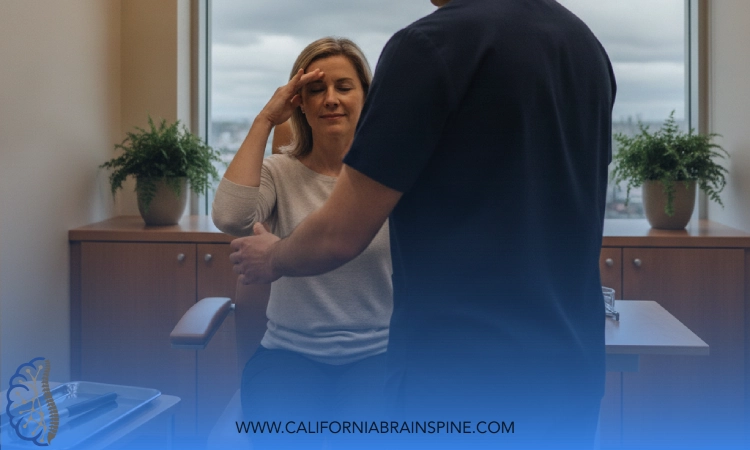

Concussion Sleep Routine Blueprint
Most patients arrive at our Calabasas clinic laser‑focused on dizziness, headaches, or screen time limits yet the greatest accelerator of neurological repair often hides in plain sight: sleep. The Calabasas Concussion Sleep Routine Blueprint (1) is our evidence‑backed roadmap for turning every night into an active treatment session. When you follow it, you transform hormones, brain‑wave patterns, and glymphatic flow from random events into predictable allies that rebuild battered neural circuits. Let’s walk through the science and the practical steps that make this blueprint a cornerstone of sustainable, drug‑free recovery.
The Post‑Concussion Brain at Night
After a mild traumatic brain injury, the cortical and sub‑cortical regions that govern arousal, balance, and mood are hyper‑reactive. Melatonin release is blunted, the autonomic nervous system stays on edge, and slow‑wave sleep fragments. That’s why our Calabasas Concussion Sleep Routine Blueprint (2) focuses first on restoring circadian coherence: same wake time, same bedtime, same light cues. By synchronizing the suprachiasmatic nucleus (your master clock) with environmental signals, you give neuroplasticity a stable stage on which to perform.
Blueprint Pillar 1 – Daytime Foundations

Bright‑Light Breakfast
Get at least ten minutes of outdoor sunlight within thirty minutes of waking. This anchors cortisol rhythm and kick‑starts serotonin the precursor for tonight’s melatonin.
Strategic Movement Bursts
Three five‑minute walks spaced through the day increase BDNF and help your vestibular system recalibrate. They also make the body pleasantly tired not wired for evening rest.
Caffeine Curfew
No stimulants after 2 p.m. Post‑concussion brains clear adenosine slowly; stick to this cut‑off and the Concussion Sleep Routine Blueprint (3) will feel markedly easier.
Concussion Treatment Calabasas — Sleep is the fuel for neural repair after a concussion. If your blueprint isn’t sticking—wake-ups, light sensitivity, screen timing—an individualized plan makes the difference between “trying everything” and steady improvement. Concussion Treatment Calabasas aligns your wind-down window, melatonin timing, and graded exposure, then builds a two-week schedule with guardrails (what to do when symptoms spike, and when to escalate). Expect a simple handout you can follow without guesswork.
Blueprint Pillar 2 – Evening Wind‑Down Protocol
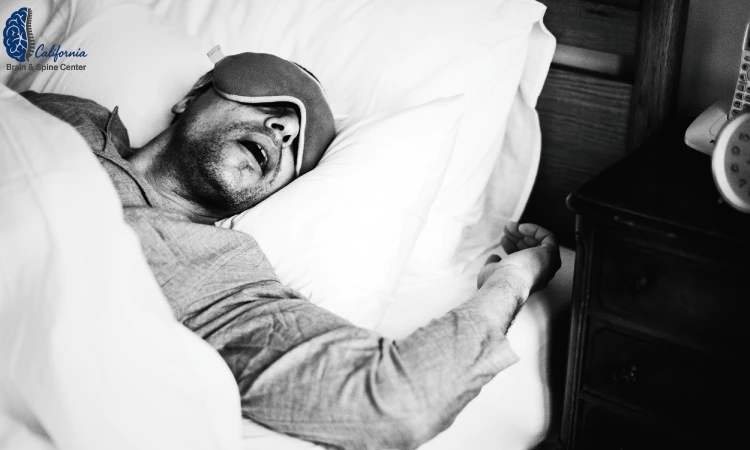
90‑Minute Technology Taper
Dim all screens or activate warm filters. Blue light blocks melatonin; amber glasses are allowed, but the blueprint’s first choice is less screen time, not tech band‑aids.
Calming Sensory Inputs
Try ten diaphragmatic breaths, thirty seconds each of neck rotations, and a warm shower. These inputs send a “day is done” memo to your reticular activating system.
Consistent Bedtime Affirmation
Repeat a simple phrase “Healing happens while I rest” as your head meets the pillow. It may sound small, but pairing language with a physical cue helps layer the Calabasas Concussion Sleep Routine Blueprint (4) into procedural memory.
Blueprint Pillar 3 – Night‑Time Environment Design

| Variable | Target Range | Rationale |
|---|---|---|
| Room temperature | 65–67 °F (18–19 °C) | Promotes deep sleep onset |
| Light level | < 1 lux | True darkness boosts melatonin |
| Sound | < 40 dB | Quiet or pink‑noise machines keep cortical arousal low |
Your bedroom should feel like a cool, quiet cave. Black‑out curtains and foam earplugs cost pennies compared to the dividends they pay in Stage 3 sleep an essential goal in any Concussion Sleep Routine Blueprint (5).
Blueprint Pillar 4 – Midnight Course Corrections
Even the best routines face bumps: a sudden vertigo surge, a migraine aura, or racing thoughts. If you’re awake more than twenty minutes:
Leave the bed—take the pressure off your mind.
Soft reset—stretch calves, breathe slowly.
Low‑light reading—paper, not phone.
Return when sleepy—avoid clock‑watching.
Consistency here prevents conditioned insomnia, ensuring the Calabasas Concussion Sleep Routine Blueprint (6) keeps gaining strength night after night.
Putting It All Together

Print the checklist below and post it beside your charging station yes, the place where your phone sleeps outside the bedroom.
Sun within 30 min of waking
Three mini walks
No caffeine after 2 p.m.
Tech taper 90 min pre‑bed
Breathing + neck rolls + warm shower
Mantra at lights‑out
Cave conditions: 65 °F, 0‑noise, 0‑light
Midnight reset protocol
Follow these eight steps for fourteen consecutive days and log your energy, mood, and symptom severity. Most patients report a 25–40 % drop in daytime fog and fewer dizzy spells simply from dialing in sleep. That’s the multiplying power of a well‑designed Concussion Sleep Routine Blueprint (7).
Symptoms of Concussion — Pair your sleep plan with a clear map of what’s typical versus worrisome. This article connects headaches, dizziness, irritability, and brain fog to timelines and recovery milestones so you know when to push, when to pause, and when to check in. It’s the perfect companion when you’re dialing in bedtime routines.
Ready for the Next Step?
If you’d like a personalized walkthrough or need help troubleshooting stubborn night‑time headaches schedule a Functional Neurology Sleep Consultation at California Brain & Spine (https://californiabrainspine.com/). For more at‑home strategies that pair perfectly with this guide, read our article “Balance‑Boosting Exercises for Concussion Recovery.” You’ll see how targeted movement and restorative sleep form a two‑lane highway toward faster, fuller healing.
Summary
Sleep is not passive downtime; it’s the prime time when your brain prunes damaged connections, lays new synapses, and flushes out metabolic waste. By following the eight‑step Calabasas Concussion Sleep Routine Blueprint, you anchor circadian rhythm, calm hyper‑arousal, and create the metabolic conditions your neurons crave. Consistency turns these nightly habits into a self‑running support system that works while you rest.
Frequently Asked Questions
- How soon after a concussion should I start this sleep routine?
Begin as soon as you’re medically cleared to resume daily activities. Early rhythm reset prevents chronic insomnia from taking root. - What if I can’t fall asleep even with the blueprint?
Check caffeine cut‑off, evening light exposure, and room temperature first. If those are on target, book a consultation so we can screen for vestibular or autonomic factors that need adjustment. - Is napping allowed?
A short 20‑minute nap before 2 p.m. can be restorative. Longer or later naps risk shifting your circadian clock. - Do supplements help?
Some patients benefit from magnesium or omega‑3s, but they should complement not replace the core steps outlined here. - How long before I notice results?
Many feel improvement within one week, but allow a full month for deep‑stage sleep to stabilize and produce lasting symptom relief.
👨⚕️ Alireza Chizari, MSc, DC, DACNB
🧠 Clinical Focus
🔬 Assessment & Treatment Approach
Objective testing may include:
Treatment programs may involve:
📍 Clinic Information
✅ Medical Review
⚠️ Disclaimer