
Neurodevelopmental Disorders
Neurodevelopmental Disorders Calabasas
Neurodevelopmental differences shape the way a child learns, communicates, and relates to the world. When those differences create daily challenges whether in language, motor skills, focus, or social interaction families need clear, science-based guidance that is both compassionate and non-surgical. The Neurodevelopmental Disorders Calabasas program at California Brain & Spine Institute delivers that guidance through individualized testing and therapy designed to unlock every child’s potential while supporting teens and adults who were never formally diagnosed.
Below you will find an in-depth look at common conditions, why early non-invasive care matters, our therapy protocols, real-world success stories, and answers to the questions parents and caregivers ask most often.
Because a surprising number of children and adults on the autism-ADHD spectrum also battle unexplained heart-rate spikes or dizzy spells, we often pair their cognitive roadmap with targeted autonomic testing inside our dedicated Dysautonomia clinic.
Understanding Neurodevelopmental Disorders and Common Types
Neurodevelopmental disorders (NDDs) arise when brain networks that govern cognition, movement, and social-emotional skills develop atypically. Current U.S. surveillance shows that one in 31 children is identified with autism spectrum disorder (ASD) a prevalence that has more than doubled in a decade. Broader data from the CDC indicate that 27.7 % of children ages 3-17 have at least one diagnosed mental, behavioral, or developmental disorder CDC.

Autism Spectrum Disorder (ASD)
Characterized by social-communication differences, restricted interests, and sensory sensitivities. Early support can improve language and adaptive skills even though autism itself is lifelong.
Attention-Deficit/Hyperactivity Disorder (ADHD)
Marked by inattention, impulsivity, and hyperactivity. Multimodal care behavior therapy, coaching, and classroom accommodations reduces risk for academic failure and low self-esteem.
Developmental Language Disorder & Speech Sound Disorders
Nearly 1 in 12 U.S. children struggles with voice, speech, or language challenges. Early speech therapy can accelerate vocabulary growth and reading readiness.
Motor Coordination & Dyspraxia
Children may appear clumsy, avoid handwriting, or tire quickly during sports. Occupational and physical therapy address core strength, hand-eye coordination, and praxis.
Specific Learning Disorders (Dyslexia, Dysgraphia, Dyscalculia)
Affect reading, writing, or math despite typical intelligence and instruction. Structured literacy and multisensory teaching close skill gaps.
Intellectual Developmental Disorder
Cognitive delays accompanied by adaptive-functioning limits in daily life. Tailored life-skills training fosters independence.
Because NDDs often overlap 34 % of younger children with speech-language issues have at least one additional disorder comprehensive, multi-disciplinary evaluation is essential.
The Value of Non-Surgical Diagnosis and Early Intervention
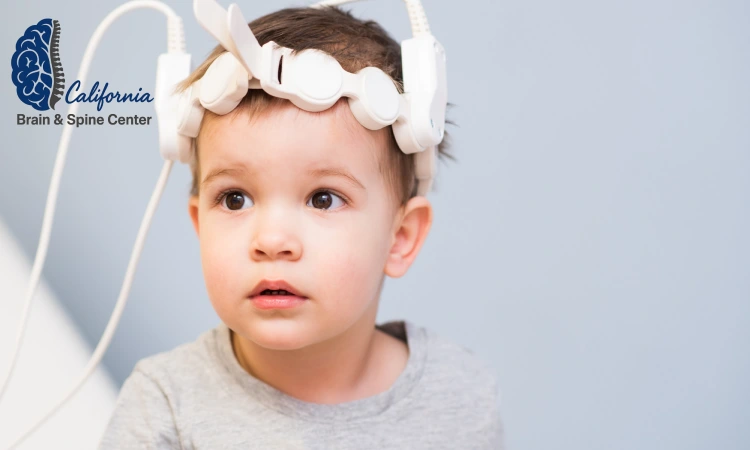
Most neurodevelopmental differences involve functional network wiring, not structural lesions, so brain surgery is neither indicated nor helpful. Instead, outcomes hinge on timely, non-invasive care that targets plastic neural circuits while they are most malleable:
-
First five years – Synaptic density peaks; targeted activities can double language growth rates.
-
School years – White-matter tracks strengthen; therapy supports handwriting fluency and executive function.
-
Adolescence – Prefrontal pruning refines attention and self-regulation; coaching and neurofeedback guide this process.
Meta-analyses confirm that structured early-intervention programs improve cognitive, language, and adaptive scores at school entry. Even in later childhood, occupational therapy yields significant gains in sensory processing, social engagement, and self-care.
Families in Calabasas, Hidden Hills, and neighboring communities benefit from a local clinic that offers gold-standard testing without hospital queues or anesthesia risks. That is precisely what the Neurodevelopmental Disorders Calabasas service provides.
Our Treatment Protocols
Every care plan begins with a collaborative intake developmental history, standardized tests, computerized eye-tracking, qEEG brain-mapping, and targeted lab panels to pinpoint strengths and challenges. From there, we assemble a layered roadmap of non-surgical diagnostics & therapies aligned with each client’s goals.

Neuro-Occupational Therapy
Specialists devise play-based sessions that improve fine-motor control, bilateral coordination, and sensory regulation. School-based research shows occupational interventions boost classroom participation and handwriting legibility.
Neurofeedback & Neuromodulation
Real-time EEG feedback trains attention networks to sustain focus and dial down impulsivity. Studies demonstrate progress in executive-function scores and reductions in hyperactive behaviors without medication.
Speech-Language & Social-Communication Therapy
Therapists use evidence-based methods such as PROMPT, Hanen, or social-thinking curricula to expand expressive language and pragmatic skills. Reports note meaningful success rates in remediating language delays when therapy starts before age 5.
Cognitive–Academic Coaching
One-on-one sessions strengthen working memory, processing speed, and organizational habits, translating therapy gains into better homework completion and test performance.
Functional Nutrition Counseling
Nutritionists design anti-inflammatory menus rich in omega-3s, iron, and B-vitamins shown to support neurotransmitter balance. Gut-brain protocols ease GI discomfort common in ASD.
Family & School Collaboration
Team meetings equip parents with home strategies while 504/IEP consultation aligns school accommodations with therapy targets ensuring continuity across environments.
Each element of the Neurodevelopmental Disorders Calabasas program is delivered by board-certified specialists whose credentials span developmental neurology, psychology, occupational therapy, and speech-language pathology. Care is always non-surgical, and progress is charted in clear metrics the family can see.
Patient Success Stories
“My son went from refusing haircuts to calmly tolerating them after eight sensory-integration sessions. The tantrums are down 70 %.” Parent of a 6-year-old
“Reading aloud was torture; letters flipped on the page. Three months of structured literacy and neurofeedback lifted her reading level two grades.” Parent of a 9-year-old
“Executive-function coaching turned homework meltdowns into a 20-minute routine. We have our evenings back.” Caregiver of a 12-year-old
These anonymous stories show how individualized, non-invasive Neurodevelopmental Disorders Calabasas care rewrites daily life.
FAQs
- How early can we test for neurodevelopmental disorders?
Developmental screenings start at 9 months. Formal evaluations can reliably identify autism or language delay by 18-24 months, allowing therapy to begin when brain plasticity is greatest. - Do therapies replace medication?
They often reduce the need for medication, but we coordinate with your pediatrician or psychiatrist when pharmaceuticals remain helpful. - How long before we see improvement?
Some families notice sensory or sleep gains within four sessions; complex language or motor goals may take 3-6 months. Progress reviews occur every six weeks. - Do you treat adults?
Yes. Teens and adults benefit from executive-function coaching, anxiety regulation, and workplace accommodation guidance.
A Community-Focused, Evidence-Driven Approach
Calabasas families value a supportive environment where children can thrive at Bay Laurel Elementary, A.C. Stelle Middle, or Calabasas High. By offering Neurodevelopmental Disorders Calabasas services close to home, we remove travel barriers and keep therapy consistent even during busy school semesters or club-sports seasons.
Ready to Unlock Brighter Futures?
Your child’s brain is unique and remarkably capable of growth when given targeted, non-surgical support. Take the first step toward lasting change with a free consultation at California Brain & Spine Institute. Call our friendly intake team today or reserve your appointment online at californiabrainspine.com. Together, we will build a clear, personalized roadmap so your family can move forward with confidence.