Functional Neurology vs. General Neurology: Which One Do You Need?
If your symptoms are real and disruptive but standard testing hasn't explained them, the question isn't which specialty is better — it's which one fits what your nervous system is showing right now.
That uncertainty is exhausting. Dizziness, brain fog, memory issues, headaches, balance problems, visual disturbances, or lingering post-concussion symptoms affect daily life whether or not a scan finds something. Your experience deserves to be taken seriously either way.
The short answer
General neurology is the right starting point for diagnosis, medication management, imaging review, seizure care, stroke evaluation, or investigating serious neurological disease. Functional neurology may fit when persistent symptoms — dizziness, brain fog, balance problems, post-concussion issues — remain after medical evaluation. Many patients need both.
The core difference
General neurology is largely focused on identifying and managing neurological disease. Functional neurology focuses on how the nervous system is performing in real life.
That distinction matters more than it sounds. A patient may have no tumor, stroke, seizure disorder, or multiple sclerosis — and still have measurable problems with eye movements, balance integration, vestibular processing, autonomic regulation, reaction timing, posture, coordination, or cognitive endurance. Those problems can be life-altering even when they don't fit a traditional diagnosis.
A practical way to think about it
General neurology often asks: is there a disease, lesion, or medical diagnosis that explains this?
Functional neurology often asks: how is the nervous system performing, adapting, compensating, and recovering?
Both questions matter. Most patients benefit from the right type of care at the right time — not from choosing a side.
What general neurology is designed to do
General neurology is essential medical care. A neurologist evaluates conditions involving the brain, spinal cord, nerves, and muscles — ordering and interpreting imaging, prescribing medication, diagnosing disease, managing seizures, evaluating migraines, assessing neuropathy, and referring for further medical testing.
If you have red-flag symptoms, sudden neurological changes, severe weakness, loss of speech, new seizures, signs of stroke, or rapidly worsening symptoms, medical or emergency care is the priority. Functional neurology does not replace urgent medical evaluation.
What functional neurology is designed to do
Functional neurology examines how different parts of the nervous system communicate and perform. It's often useful for patients who feel "stuck" after an injury, concussion, vestibular event, chronic stress load, or unexplained symptoms.
The assessment may involve detailed evaluation of balance, eye movements, vestibular function, sensory integration, autonomic patterns, cognition, movement quality, and symptom triggers. The goal isn't to label you quickly — it's to understand your pattern and design care around it.
"Clarity often begins when your symptoms are no longer dismissed as random."
Why a normal scan doesn't always mean normal function
Imaging is important, but it doesn't show how well the brain and body are communicating. Someone can have entirely normal structural findings and still struggle with vestibular compensation, sensory mismatch, eye movement control, cognitive endurance, or autonomic regulation.
This is where the comparison stops being abstract. It becomes a practical decision about what kind of information your care team needs in order to actually help you move forward.
Symptoms that often lead patients to functional neurology
- Dizziness, vertigo, motion sensitivity, or balance problems that interfere with driving, walking, workouts, or screen use
- Brain fog, memory issues, poor concentration, or mental fatigue after concussion, stress, or illness
- Visual disturbances after concussion — trouble tracking, focusing, reading, or tolerating busy environments
- Autonomic symptoms such as heart-rate changes, light-headedness, or temperature intolerance
- Persistent post-concussion symptoms that haven't resolved with time alone
How the two approaches differ in real decisions
Neurological symptoms are often layered. A person may need a medical neurologist for diagnosis and medication while also benefiting from functional rehabilitation to improve daily performance. That's especially true after concussion, where the medical question is "is there a dangerous condition requiring urgent intervention?" and the functional question is "why does this patient still feel dizzy in grocery stores, exhausted after reading, or unstable when turning their head?"
| Patient concern | General neurology focus | Functional neurology focus |
|---|---|---|
| Severe new headache | Rule out urgent medical causes and guide diagnosis | May support rehabilitation later if symptoms persist |
| Post-concussion dizziness | Assess injury, imaging needs, medication, medical risk | Evaluate vestibular, ocular, balance and sensory integration patterns |
| Brain fog and memory issues | Investigate neurological disease, medication effects, systemic causes | Assess cognitive endurance, sensory load, autonomic stress, neuroplasticity |
| Balance disorder | Rule out central or peripheral neurological conditions | Build a personalized balance, vestibular and movement rehabilitation plan |
Which one do you need?
It depends on your symptoms, risk factors, prior testing, and goals. Some patients need general neurology first. Some need functional rehabilitation. Many need both — and a responsible clinician should never force your story into one narrow category.
Signs you may need general neurology first
Seek a neurologist, emergency physician, or other medical specialist first if your symptoms are sudden, severe, progressive, or suggest a serious neurological condition. Medical diagnosis, imaging, medication, and disease management are essential when indicated.
Signs functional neurology may help
Functional neurology may be worth exploring if you've already been medically evaluated but still struggle with symptoms affecting daily function — dizziness moving through busy places, brain fog after screen time, head-movement sensitivity, post-concussion visual issues, balance changes, or difficulty returning to work, school, exercise, or driving.
Safety first, always
Seek urgent medical care immediately for sudden weakness, facial drooping, trouble speaking, loss of consciousness, new seizures, a severe sudden headache, chest pain, or rapidly worsening neurological symptoms. Functional neurological rehabilitation is not a replacement for emergency care or medically necessary diagnosis.
What a functional evaluation involves
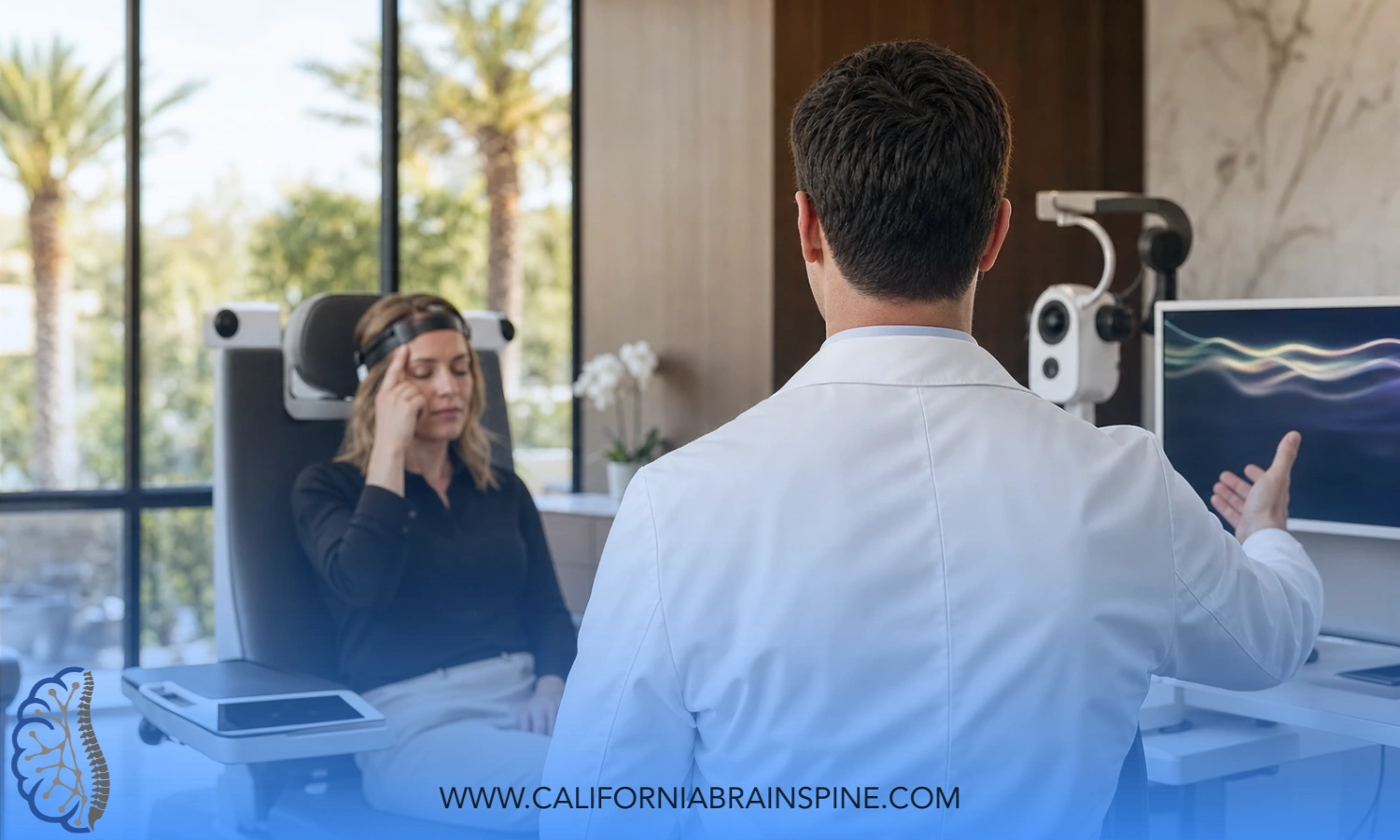
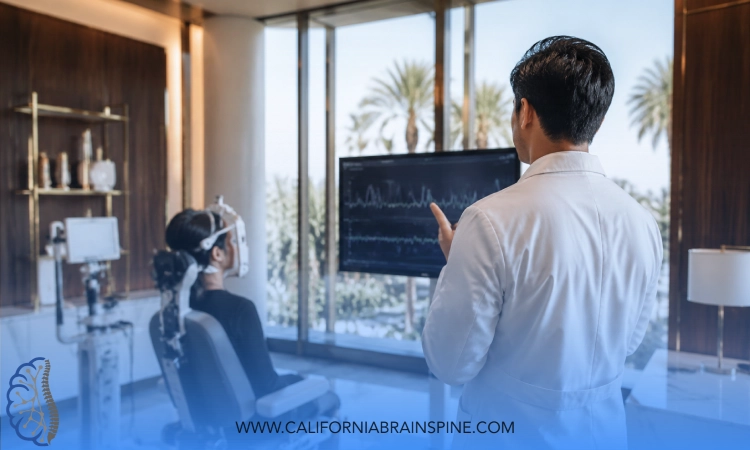
Care should feel organized, not overwhelming. It starts with a detailed history — symptoms, timeline, triggers, prior testing, injuries, medical history, goals, and what daily life actually feels like now. Where clinically appropriate, assessment includes eye movement evaluation, balance testing, vestibular screening, sensory integration checks, and cognitive observations.
From there, a plan may include vestibular rehabilitation, cognitive rehabilitation, neuroplasticity-based retraining, or sensory integration work. When appropriate, non-invasive support such as LLLT, PEMF, HBOT, GammaCore, or the NeuroRevive Program may form part of a broader strategy.
Progress is tracked as you go — how you tolerate care, how symptoms change, and how function improves in real life. Rehabilitation should be responsive, not fixed.
Symptom management and functional improvement aren't the same thing
Medication can be necessary and valuable. Rest can be necessary. Lifestyle changes help. But many patients also need a plan that trains the nervous system specifically — supporting better communication between brain, body, eyes, vestibular system, autonomic system, and movement pathways.
That doesn't mean everyone responds the same way. It means care should be based on your findings, your tolerance, your goals, and careful clinical judgment.
"Recovery isn't about proving you're tough. It's about giving your nervous system the right information at the right pace."
A realistic patient story
A patient came in after a concussion. Imaging showed no major structural injury — reassuring news — but she still couldn't tolerate grocery stores, long conversations, or more than short stretches of computer work. She felt embarrassed because she looked "fine," while inside she felt unstable, foggy, and disconnected from her normal life.
Her evaluation examined eye movements, balance responses, vestibular function, symptom triggers, and cognitive endurance. Her plan combined vestibular rehabilitation, cognitive rehabilitation, and neuroplasticity-based work through a carefully paced approach. No quick cure was promised — the focus was measurable tolerance, safe progression, and helping her nervous system handle more real-world input over time.
As the plan progressed she could shop for longer, return to more consistent work, and feel less fearful when symptoms appeared. Her outcome was personal to her and isn't a guarantee for anyone else. But it reflects something important: when the right functional pattern is identified, care becomes more specific — and more hopeful.
Frequently asked questions
Is functional neurology the same as general neurology?
No. General neurology is a medical specialty focused on diagnosing and managing neurological diseases and disorders. Functional neurology focuses on how the nervous system is performing and how targeted rehabilitation may support better function. Both can be valuable depending on your needs.
Should I see a general neurologist before functional neurology?
If your symptoms are sudden, severe, progressive, or medically concerning, seek medical care first. If you've already been evaluated and continue to struggle with dizziness, brain fog, post-concussion symptoms, balance problems, or visual disturbances, a functional neurological evaluation may help clarify what to do next.
Can functional neurology help after a concussion?
It may help some patients by evaluating and supporting the systems involved in balance, eye-movement control, vestibular processing, cognition, sensory integration, and autonomic regulation. Concussion-related care is always personalized after a detailed evaluation.
Does functional neurology replace medication or medical treatment?
No. Some patients need medication, imaging, diagnosis, or ongoing management from a neurologist or another physician. Functional neurological rehabilitation is used alongside appropriate medical care, not instead of it.
What happens during a functional neurological evaluation?
A detailed history, review of prior testing, neurological screening, vestibular and balance assessment, eye-movement evaluation, sensory integration observations, and a discussion of your functional goals. The aim is to understand your pattern before recommending any care.
Not sure which one you need? That's what an evaluation is for.
A personalized neurological and vestibular evaluation can help clarify whether your symptoms are best addressed through medical neurology, functional rehabilitation, or coordinated care.

Dr. Alireza Chizari
This article has been medically reviewed for clinical accuracy by Dr. Alireza Chizari, DC, DACNB. Committed to evidence-based practice, Dr. Chizari ensures all content reflects the highest standards of functional neurology care.
Comments
Find our article more easily in Google.
FAQ
What is Functional Neurology?
Functional Neurology is a healthcare specialty that focuses on assessing and rehabilitating the nervous system’s function. It emphasizes neuroplasticity—the brain’s ability to adapt and reorganize—using non-invasive, evidence-based interventions to improve neurological performance.
How does Functional Neurology differ from traditional neurology?
Traditional neurology often concentrates on diagnosing and treating neurological diseases through medications or surgery. In contrast, Functional Neurology aims to optimize the nervous system’s function by identifying and addressing dysfunctions through personalized, non-pharmaceutical interventions.
Is Functional Neurology a replacement for traditional medical care?
No. Functional Neurology is intended to complement, not replace, traditional medical care. Practitioners often collaborate with medical professionals to provide comprehensive care.
What conditions can Functional Neurology help manage?
Functional Neurology has been applied to various conditions, including:
• Concussions and Post-Concussion Syndrome
• Traumatic Brain Injuries (TBI)
• Vestibular Disorders
• Migraines and Headaches
• Neurodevelopmental Disorders (e.g., ADHD, Autism)
• Movement Disorders
• Dysautonomia
• Peripheral Neuropathy
• Functional Neurological Disorder (FND)
Can Functional Neurology assist with neurodegenerative diseases?
While Functional Neurology does not cure neurodegenerative diseases, it can help manage symptoms and improve quality of life by optimizing the function of existing neural pathways.
What diagnostic methods are used in Functional Neurology?
Functional Neurologists employ various assessments, including:
• Videonystagmography (VNG)
• Computerized Posturography
• Oculomotor Testing
• Vestibular Function Tests
• Neurocognitive Evaluations
How is a patient’s progress monitored?
Progress is tracked through repeated assessments, patient-reported outcomes, and objective measures such as balance tests, eye movement tracking, and cognitive performance evaluations.
What therapies are commonly used in Functional Neurology?
Interventions may include:
- Vestibular Rehabilitation
- Oculomotor Exercises
- Sensorimotor Integration
- Cognitive Training
- Balance and Coordination Exercises
- Nutritional Counseling
- Lifestyle Modifications
Are these therapies personalized?
Absolutely. Treatment plans are tailored to the individual’s specific neurological findings, symptoms, and functional goals.
Who can benefit from Functional Neurology?
Individuals with unresolved neurological symptoms, those seeking non-pharmaceutical interventions, or patients aiming to optimize brain function can benefit from Functional Neurology.
Is Functional Neurology suitable for children?
Yes. Children with developmental delays, learning difficulties, or neurodevelopmental disorders may benefit from Functional Neurology approaches.
How does Functional Neurology complement other medical treatments?
It can serve as an adjunct to traditional medical care, enhancing outcomes by addressing functional aspects of the nervous system that may not be targeted by conventional treatments.
How is technology integrated into Functional Neurology?
Technological tools such as virtual reality, neurofeedback, and advanced diagnostic equipment are increasingly used to assess and enhance neurological function.
What is the role of research in Functional Neurology?
Ongoing research continues to refine assessment techniques, therapeutic interventions, and our understanding of neuroplasticity, contributing to the evolution of Functional Neurology practices.