
Autonomic Nervous System Disorders
The autonomic nervous system (ANS) is your body’s silent conductor—regulating heart rate, blood-pressure shifts, digestion, temperature, sweat, and even the tiny muscles of the pupils. When that conductor misfires, daily life can swing from fainting spells to gut distress, from adrenaline surges to disabling fatigue. At California Brain & Spine Institute, our comprehensive Autonomic Nervous System Disorders program delivers modern non-surgical diagnostics and therapies that restore stability for residents of Calabasas, Woodland Hills, Agoura Hills, and the greater West Valley.
Understanding Autonomic Nervous System Disorders
The Scope of the Problem
Dysautonomia is not rare. Current estimates suggest more than 70 million people worldwide live with autonomic nervous system disorders. Conditions range from postural orthostatic tachycardia syndrome (POTS) and neuro-cardiogenic syncope to gastroparesis, temperature-regulation disorders, and post-viral autonomic dysfunction—including Long COVID sequelae PMC.
How the ANS Works—and Fails
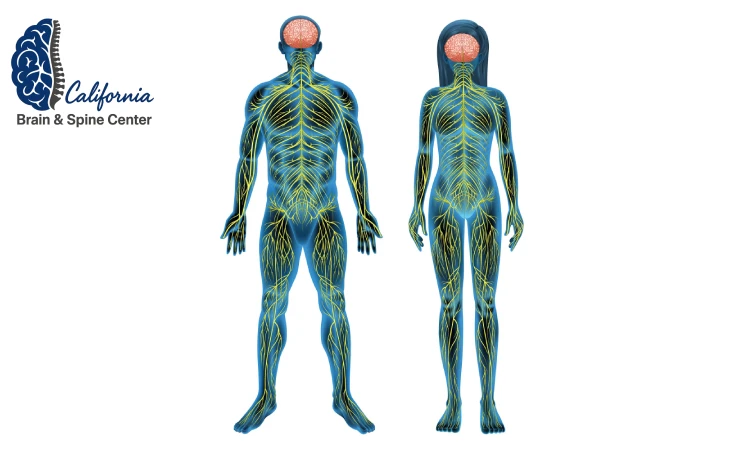
The ANS splits into the sympathetic (“fight-or-flight”) and parasympathetic (“rest-and-digest”) branches. Together they fine-tune:
-
Cardiovascular control – adjusting heart rhythm and vessel tone
-
Visceral function – moving food, secreting hormones, modulating bladder and bowel
-
Thermoregulation – balancing sweat and blood-flow to skin
-
Pupillary reflexes & tear flow
When circuitry falters, patients can experience:
| Symptom Cluster | Possible ANS Malfunction |
|---|---|
| Light-headedness, fast heartbeat on standing | Impaired baroreflex as seen in POTS |
| “Brain fog,” fatigue after mild exertion | Cerebral hypoperfusion or catecholamine surges |
| Digestive stasis, nausea, bloating | Vagal dysmotility or sympathetic overdrive |
| Heat intolerance, cold hands/feet | Faulty vasomotor tone |
Because symptoms cross organ systems, Autonomic Nervous System Disorders often go undiagnosed for years—an average of four to six specialist visits before a correct label is applied, according to advocacy surveys.
Why Choose Our 100 % Non-Surgical Approach?
Safety & Comfort
All assessments—tilt-table evaluation, sudomotor testing, heart-rate–variability mapping, qEEG, and targeted labs—are contact-less or minimally invasive. No general anesthesia, no implants, zero incision risk.
Faster Everyday Wins
Therapy blocks last 45–60 minutes and sync with school, work, or caregiving schedules. Many patients record steadier vitals or fewer “crashes” within three weeks of starting the program.
Measurable Progress
We track orthostatic vitals, symptom-burden scales, and wearable data. Visual dashboards let you watch that standing heart-rate spike shrink and daily-step counts climb.
Whole-Person Gains
Stress hormones, micronutrient gaps, and sleep architecture all modulate autonomic tone. Our multidisciplinary team—board-certified in neurology, clinical nutrition, and physical therapy—aligns every pillar for sustained relief.
Our Evidence-Based Therapies
Neurofeedback for Autonomic Balance
Real-time EEG feedback trains cortical networks that govern heart-rate variability (HRV). Studies show improved HRV coherence and reduced palpitations in dysautonomia populations following eight to twelve sessions.
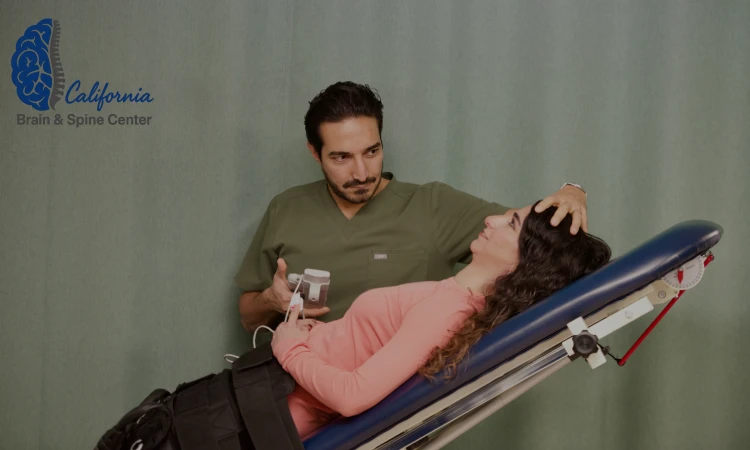
Tilt-Table Re-conditioning
Graduated head-up sessions rebuild vascular tone and baroreflex sensitivity. Clinical trials report 40 %–60 % symptom reduction in POTS when tilt training is combined with fluid-salt optimization and core-muscle activation.
Cognitive Pacing & Energy-Management Coaching
For patients with autonomic fatigue or Long COVID, therapists teach “gas-tank” pacing—balancing workloads with recovery windows so daily function rises without relapse. Peer-reviewed data link pacing to fewer autonomic flares and better work retention.
Nutritional & Hydration Protocols
High-electrolyte hydration, omega-3–rich diets, and targeted micronutrients (B-vitamins, magnesium, vitamin D) stabilize blood pressure and nerve conduction. Our dietitians craft meal plans adaptable to Calabasas farmers-market produce and busy lifestyles.
Breathing & Vagal-Tone Exercises
Slow diaphragmatic breathing, alternate-nostril techniques, and humming activate the parasympathetic vagus nerve, shown to increase HRV indices and lower resting heart rate in controlled studies.
Gentle Strength & Postural Training
Core-centric strengthening plus compression-garment education mitigates blood pooling in the legs, reducing orthostatic tachycardia and blackout risk.
All interventions in our Autonomic Nervous System Disorders program are entirely non-surgical; many are tools you can continue at home, extending gains between clinic visits.
Patient Success Stories
“Standing in line felt like a marathon. Tilt-table training and salt-fluid protocols cut my dizzy spells from eight per day to one in three weeks.” — Client, 29
“After COVID, my heart rate spiked to 140 just walking across campus. Neurofeedback plus paced breathing dropped it by 30 beats and cleared the brain fog.” — Graduate student, 24
“Hot flashes and gut ‘shutdowns’ ruled my day. With vagal-tone drills and nutrition tweaks, I’m hiking Las Virgenes trails again.” — Retiree, 62
FAQs
- How common are autonomic disorders?
Worldwide prevalence tops 70 million people across all ages and genders. - Do I need a doctor’s referral?
Referrals are welcome but not required. You can self-schedule an intake; we coordinate findings with your primary provider. - Are therapies uncomfortable?
Sessions are fatigue-graded. You may feel temporary light-headedness or muscle warmth—signs of productive retraining—but exercises are designed never to overwhelm. - Can children participate?
Yes. Pediatric dysautonomia often responds quickly to hydration/nutrition protocols and gamified neurofeedback adjusted for shorter attention spans.
Your Next Step Toward Steady Days
Flare-ups of dizziness, racing hearts, or sudden fatigue do not have to dictate your schedule. Let the non-surgical science of our Autonomic Nervous System Disorders program bring calm back to your body’s control center. Book your free consultation today at California Brain & Spine Institute—call our friendly team or visit californiabrainspine.com—and reclaim the rhythm of a balanced life.