
If your heart races when you stand up, it can feel alarming. Many people describe it as a sudden surge, pounding in the chest, a sense of shakiness, or even panic, especially if it happens repeatedly. The most confusing part is that the trigger seems simple: you stand, and your body reacts.
I, Dr. Alireza Chizari, will explain in this article how to think about heart racing when standing and how to tell the difference between POTS vs dehydration patterns. You are the hero of this story. You are the one trying to function through symptoms that can feel unpredictable, and you deserve a clear explanation that helps you make safe decisions.
Heart Racing When Standing
At California Brain and Spine Center in Calabasas, California, my team and I evaluate complex neurological and vestibular cases, including dizziness, balance disorders, brain fog, post-concussion symptoms, and dysautonomia patterns like POTS. This page will help you understand why heart racing when standing happens, what signs point toward POTS vs dehydration, what to rule out, and how to use our services to move toward more stable function.
Why heart racing when standing happens in the first place
I like to start with the simplest truth. When you stand, gravity pulls blood downward. Your body must respond quickly by tightening blood vessels and adjusting heart rate to keep blood flowing to your brain. In most people, this happens smoothly and silently.
When that regulation is disrupted, heart racing when standing can become loud and obvious. The body is trying to protect brain blood flow. The question is why the system needs such a strong compensation.
The two most common buckets: POTS vs dehydration
For many people, the pattern falls into one of two broad buckets: POTS vs dehydration. Dehydration reduces circulating blood volume. POTS involves autonomic regulation issues that often include abnormal heart rate response to posture change. The symptoms can overlap, which is why careful pattern recognition matters.
“Your body is not trying to scare you. It is trying to compensate. Understanding the compensation is the first step to calming it.”
What POTS vs dehydration can feel like in real life
Patients often tell me they cannot tell if they are dehydrated, anxious, or dealing with POTS. That confusion is common. Both POTS vs dehydration can cause:
-
heart racing when standing
-
dizziness or lightheadedness
-
fatigue
-
weakness or shakiness
-
brain fog
-
exercise intolerance
But there are differences in pattern, duration, and context that often help clarify the story.
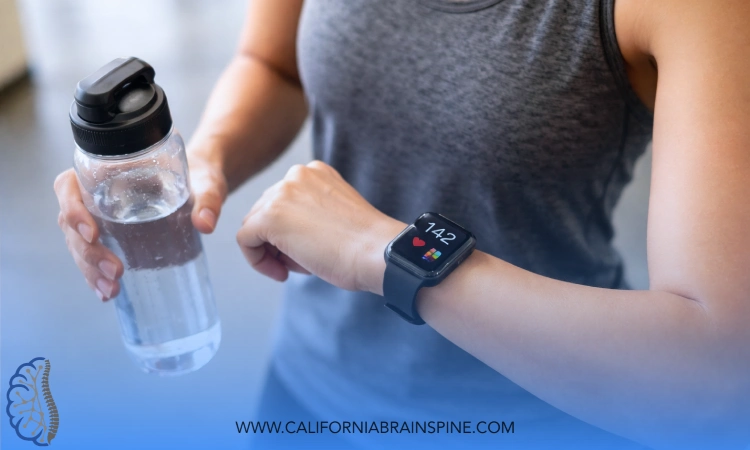
What POTS vs dehydration can feel like in real life
Key differences: how to think about POTS vs dehydration
I do not want you to self-diagnose with certainty from an article. But I do want you to understand the clues that guide evaluation.
Dehydration pattern: volume problem first
With dehydration, the main issue is often low circulating blood volume. Dehydration can come from heat, sweating, diarrhea, vomiting, certain medications, inadequate fluid intake, alcohol, or illness.
Clues that heart racing when standing is more dehydration-driven include:
-
symptoms follow a clear dehydration trigger (heat day, sweating, illness)
-
dry mouth, darker urine, headache, thirst
-
symptoms improve noticeably with rehydration over hours to a day
-
symptoms are more recent and not a chronic recurring pattern
POTS pattern: regulation problem plus volume sensitivity
With POTS, there is often a chronic pattern of orthostatic intolerance, meaning symptoms are triggered by upright posture and improve with lying down. Many people with POTS are also sensitive to hydration status, which is why dehydration can worsen POTS.
Clues that heart racing when standing fits POTS vs dehydration leaning toward POTS include:
-
symptoms persist for months and recur frequently
-
heart rate spike is consistent and posture-linked
-
symptoms improve when you lie down
-
flares triggered by heat, standing still, showers, meals, stress, illness
-
associated brain fog, fatigue, dizziness, nausea, and exercise intolerance
“The goal is not to label yourself. The goal is to recognize the pattern and choose a safe next step.”
Why dehydration can mimic POTS, and why POTS can worsen with dehydration
This is a key clinical nuance. POTS vs dehydration is not always either-or. Dehydration can create a POTS-like picture because low volume forces the heart to work harder during standing. And if you have POTS, dehydration can intensify symptoms because your baseline regulation is already strained.
That is why many patients feel “better for a bit” when they hydrate, but symptoms return. Hydration helps volume. It does not always resolve the regulation problem if POTS is present.
How we evaluate heart racing when standing at California Brain and Spine Center
At California Brain and Spine Center, patients are evaluated with dysautonomia-informed clinical reasoning. We look for patterns, measure orthostatic responses, and consider vestibular and neurological contributors when dizziness or balance symptoms are present.
At California Brain and Spine Center, evaluation for heart racing when standing and POTS vs dehydration often includes:
-
symptom timeline focused on posture, heat, meals, showers, and exertion
-
orthostatic measures: heart rate and blood pressure response to posture change
-
review of hydration, electrolytes, sleep, medications, and triggers
-
vestibular and neurological screening if dizziness, imbalance, or visual overload is present
-
safety-based differential thinking and guidance for further medical testing when needed
This approach matters because a fast heart rate can have multiple causes. You deserve a safe, structured evaluation.
“A good evaluation does not make you feel dismissed. It makes you feel understood and guided.”
Other causes we consider besides POTS vs dehydration
Because heart racing when standing can reflect other issues, it is important to consider differentials. Even if the pattern looks like POTS vs dehydration, we still think about other contributors based on your history.
Potential differentials include:
-
anemia or iron deficiency
-
thyroid dysfunction
-
medication effects, including stimulants and decongestants
-
arrhythmias requiring medical evaluation
-
infection, inflammation, or fever states
-
anxiety and panic, which can coexist but should not replace physiological assessment
If symptoms are new, severe, or rapidly worsening, do not assume. Seek medical evaluation.
What you can do right now if your heart races when standing
I will keep this practical and safe. If you are experiencing heart racing when standing, start with stabilization and observation, not fear.
Practical stabilization steps
-
✅ Sit or lie down if you feel faint
-
✅ Hydrate, and consider electrolytes when appropriate
-
✅ Avoid heat, long standing still, and hot showers during flares
-
✅ Eat smaller meals if post-meal crashes occur
-
✅ Track pattern: when it happens, what triggers it, how long it lasts
The critical point is safety. If you are repeatedly near-fainting, do not push through it.
When structured rehabilitation can help
If your pattern fits dysautonomia, improving tolerance often requires more than rest. Many patients benefit from graded conditioning that begins recumbent and progresses slowly. This can reduce deconditioning and improve autonomic stability over time.
Depending on evaluation findings, vestibular rehabilitation, cognitive rehabilitation, neuroplasticity-based training, and NeuroSensory Integration (NSI) may support regulation when dizziness, brain fog, or sensory overload are part of the picture.
Select non-invasive neurology tools when clinically appropriate
In select cases, supportive non-invasive neurology therapies may be considered within a broader plan. These can include Low-Level Laser Therapy (LLLT), Pulsed Electromagnetic Field (PEMF), Hyperbaric Oxygen Therapy (HBOT), GammaCore vagus nerve stimulation, and the NeuroRevive Program when appropriate.
“Relief is not always instant, but it is often predictable once the triggers and mechanisms are clear.”
Red flags: when heart racing when standing needs urgent care
I want you to be reassured, but I also want you to be safe. Seek urgent care or emergency evaluation if you have:
-
chest pain or chest pressure
-
severe shortness of breath at rest, especially if new
-
fainting with injury or repeated fainting without warning
-
new neurological symptoms like weakness, facial droop, or slurred speech
-
signs of severe dehydration: confusion, inability to keep fluids down, very low urine output
-
heart rate that is extremely high with severe symptoms or feels irregular
If you feel unsafe, do not wait. Get evaluated.
“Listening to red flags is not fear. It is wisdom that protects your future.”
A short patient story: when the pattern became clear
Some time ago, a patient I will call J. came to see me for heart racing when standing that started after a period of stress and poor sleep. J. assumed it was dehydration and tried drinking more water, but symptoms kept returning. Heat and standing in line made it worse, and J. also noticed brain fog and dizziness in busy environments.
I started with a dysautonomia-informed evaluation and measured orthostatic responses. The pattern looked more consistent with POTS vs dehydration leaning toward POTS, with dehydration acting as a flare amplifier. We built a plan focused on hydration and electrolyte strategy, pacing, avoiding long standing still during early stabilization, and a gradual recumbent conditioning progression. Because dizziness and visual sensitivity were part of the story, we also integrated vestibular rehabilitation to reduce sensory overload.
Over time, J. reported fewer severe episodes and more predictable mornings. The most meaningful change was confidence. J. said, “I stopped fearing the moment I stand up.” That is what I want for you: clarity and control.
Your most common questions about heart racing when standing
- How do I know if it is POTS vs dehydration?
Dehydration often follows a clear trigger and improves with rehydration within hours to a day. POTS tends to be a chronic posture-linked pattern that improves when lying down and flares with heat, standing still, meals, and stress. Many people have overlap, so evaluation matters. - Can dehydration cause a POTS-like heart rate spike?
Yes. Low blood volume can force the heart to compensate more during standing. Dehydration can mimic POTS symptoms, especially during heat, illness, or inadequate fluid intake. - Can I have POTS and still feel better when I drink water?
Yes. Many people with POTS are volume-sensitive. Hydration can reduce symptom intensity, but if the underlying regulation problem remains, symptoms may return. - Is it dangerous when my heart races when I stand?
Often it reflects compensation, but it should not be ignored. If symptoms are severe, new, include chest pain, fainting, or irregular heartbeat sensation, seek medical evaluation. - Why do hot showers make it worse?
Heat widens blood vessels and increases blood pooling. Standing in a hot shower combines heat exposure and upright posture, which can amplify symptoms in both dehydration and POTS patterns. - When should I seek urgent care?
Seek urgent care for chest pain, severe shortness of breath at rest, fainting with injury, confusion, signs of severe dehydration, or a very fast or irregular heartbeat with severe symptoms.
Conclusion
If you are dealing with heart racing when standing, the most important next step is to understand the pattern rather than guessing. The most common explanation falls within POTS vs dehydration, with dehydration acting as a volume problem and POTS acting as a regulation problem that often becomes worse with low volume. Both can produce similar symptoms, but the timeline, triggers, and posture link help clarify the story.
I, Dr. Alireza Chizari, approach heart racing when standing with a safety-first evaluation and an individualized, non-invasive plan designed to improve stability and function. Many patients improve when hydration and pacing are structured, heat and standing triggers are managed, and vestibular or neurocognitive contributors are addressed when present.
If you want help clarifying whether your pattern fits POTS vs dehydration and building a plan that feels realistic, contact California Brain and Spine Center in Calabasas to request an appointment for a personalized neurological and vestibular evaluation. The goal is not just symptom management. The goal is steadier days and a more functional life.